
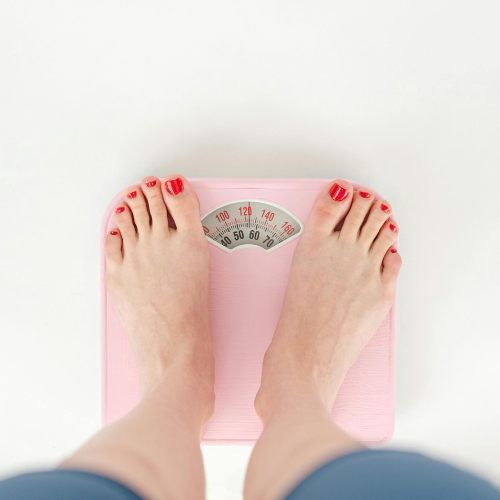
You step on the scale in the morning and see a number you don’t like. By the evening, it’s different again. The next day? Another fluctuation. It’s enough to make you question all your hard work.
But here’s the truth: weight naturally shifts from day to day — sometimes even hour to hour — and it’s not a reflection of your worth, effort, or progress. These changes are normal, explainable, and not something to panic about.
Here’s what’s really happening:
1. Water Retention is a Big Player
Your body holds onto water for many reasons — salty foods, hormonal shifts, sore muscles after a workout, airplane travel or even stress. This can add a few pounds overnight, but it’s not fat gain. Hydrating well and giving your body time usually balances it out.
2. Food Volume Matters
What you eat and when you eat it shows up on the scale, even before your body has digested it. A fiber-rich salad or hearty protein dinner might make the number rise temporarily, but that’s just food in your system, not actual weight gain.
3. Hormones Influence the Scale
For women, shifts in estrogen and progesterone throughout the month can cause water retention and bloating. These hormonal changes can add 2–5 pounds temporarily, and they always resolve on their own.
4. Glycogen Storage Fluctuates
Your muscles store carbohydrates as glycogen for energy. Each gram of glycogen is stored with about 3–4 grams of water. So after a carb-heavy day, you may weigh more — but it’s simply energy reserves, not fat.
5. Digestion Has a Timeline
If your digestion is slower one day or you’re a little constipated, the scale will reflect that. Once your system moves things along, the number naturally goes down again.
6. Exercise Can Temporarily Raise the Scale
Intense workouts cause tiny muscle tears (the good kind that help you get stronger). In response, your body holds onto water to repair them. That post-workout “gain” is actually a sign of healing, not a setback.
7. True Fat Gain Takes Time
It’s important to remember that gaining actual body fat requires a consistent calorie surplus over time. A single meal, a fun weekend, or a couple of “off” days don’t undo your progress — the scale just doesn’t tell the whole story.
The Bottom Line
Your scale weight is just one data point — and a very imperfect one. Instead of stressing over daily fluctuations, look at long-term trends and pay attention to how you feel: your energy, strength, sleep, and mood.
Your body is constantly in motion, and so is the number on the scale. That’s not failure — it’s biology.
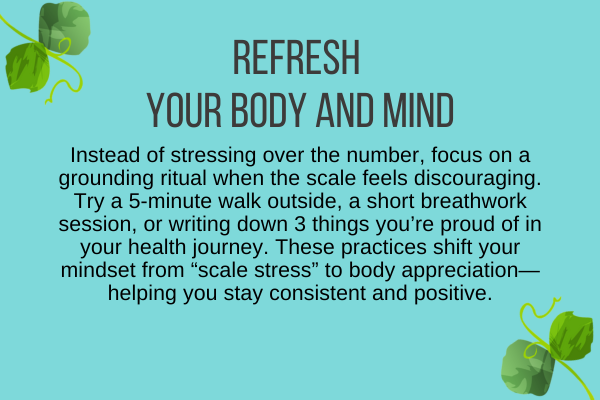
The scale is a tool, not a verdict. Trust the process, listen to your body, and celebrate progress beyond the numbers.
