
Inflammation seems to take the blame for almost everything these days. Sore joints? Inflammation. Heart disease? Inflammation. Feeling sluggish? Probably inflammation. It is often cast as the villain in a health mystery, but the truth is that’s not the full story.
Inflammation is part of the body’s natural defense system. It helps you heal from injury, recover from illness and repair damaged tissue.
The problem arises when it doesn’t fully settle down. Instead of turning off once the job is done, it can linger quietly in the background. And over time, ongoing inflammation can strain blood vessels, tissues, and metabolic systems. That said, it’s that gradual buildup that links inflammation to conditions like cardiovascular disease and metabolic dysfunction, and is what ultimately gives it a bad reputation.
This shift in balance is where omega-3 fatty acids enter the conversation. Omega-3s are essential fats, meaning the body can’t produce them on its own – we get them from food and high-quality supplements. This is because, once in the body, they help regulate the inflammatory response and influence key pathways involved in heart and metabolic health.
Because of this, omega-3s serve as foundational nutrients in an anti-inflammatory lifestyle.
There are three main types of omega-3 fatty acids:
EPA (eicosapentaenoic acid): EPA is primarily found in fatty fish and seafood. It plays a major role in reducing inflammation and supporting cardiovascular health.
DHA (docosahexaenoic acid): DHA is found in marine sources and is especially important for brain, eye, and nervous system health. It works alongside EPA to support heart and metabolic health.
ALA (alpha-linolenic acid): ALA is found in plant-based foods such as flaxseeds, chia seeds, walnuts, and canola oil. The body can convert ALA into EPA and DHA, but this process is limited. Thus, only a small percentage is converted into the active forms that directly regulate inflammation.
Now that we know what omega-3s are, it’s time to look at how they actually work inside the body.
The connection between omega-3 fatty acids and heart health has been studied for many years. This is because inflammation plays a central role in the development of cardiovascular disease, making omega-3s especially relevant for long-term heart health.
One of the most consistent findings in the research is the effect of EPA and DHA on triglyceride levels. Triglycerides are a type of fat found in the blood, and elevated levels are associated with increased cardiovascular risk.
Omega-3s also appear to support heart health in other ways. They may help improve blood vessel function, support healthy blood pressure levels, and reduce inflammatory activity within the vascular system. For these reasons, leading health organizations, including the American Heart Association, recommend regularly consuming fatty fish as part of a heart-healthy dietary pattern.
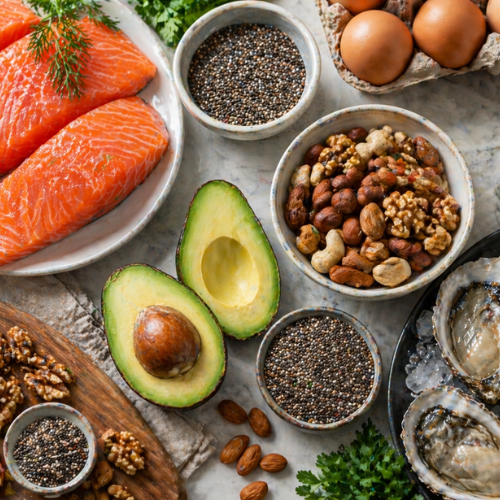
Common food sources include:
- Salmon
- Sardines
- Mackerel
- Herring
- Anchovies
- Oysters and mussels
Common plant-based food sources include:
- Flaxseeds and flaxseed oil
- Chia seeds
- Walnuts
- Hemp seeds
After reading about the anti-inflammatory power of omega-3s, it’s natural to wonder whether a supplement might simplify things. As many people don’t eat fish regularly, I recommend a high-quality, science backed Omega-3 supplement and it’s especially important to know where the fish is sourced from.
If you’re considering a supplement, look for one that:
- Clearly lists the exact amount of EPA and DHA per serving
- Has been third-party tested for purity and potency
- Meets safety standards for contaminants such as mercury
My recommendation is the Shaklee OmegaGuard® . It delivers a full spectrum of omega-3 fatty acids that supports heart, brain, eye, and joint wellness. Every capsule is filled with highly purified, sustainable fish oil to ensure it’s as good for the planet as it is for you.
Lastly, just know that daily habits also shape the inflammatory response in your body. Regular movement, consistent sleep, managing stress, and limiting heavily processed foods all play a role in how the body regulates itself. Think of omega-3s as one helpful tool within a much larger toolkit.
This is why small, steady changes matter more than dramatic overhauls. Adding fatty fish to your weekly routine, sprinkling flaxseed into a smoothie, or choosing walnuts for a snack are simple shifts that add up.
Remember that an anti-inflammatory lifestyle is not about restriction or chasing the latest health trend; it’s bout building realistic habits that support your body day after day.
If you’re ready to move beyond the noise and put this knowledge into action, I invite you to schedule a discovery call. Together, we can explore your goals and design a personalized approach that supports sustainable, long-term health.
You don’t need more headlines; you need a clear plan and the right support!
