
In last week’s post, I talked about the first three major nutrition trends in 2026 i.e. rethinking fad diets, the importance of protein and why fiber is optimal for digestion and gut health.
If you missed it, please go here to catch up.
Let’s take a look at the final 3 nutrition trends for 2026:
4. Balanced Blood Sugar for Daily Energy
Balanced blood sugar is a major focus in 2026, partly due to rising rates of type 2 diabetes and growing awareness of metabolic health. According to the Cleveland Clinic, type 2 diabetes continues to increase, affecting millions of adults and becoming more common at younger ages. This has pushed blood sugar balance into everyday nutrition conversations, not just clinical settings.
Blood sugar affects how the body feels throughout the day. When blood sugar rises quickly and then drops, energy often follows the same pattern. This can look like a strong start in the morning followed by a mid-morning crash, afternoon fatigue, or sudden cravings that feel hard to control.
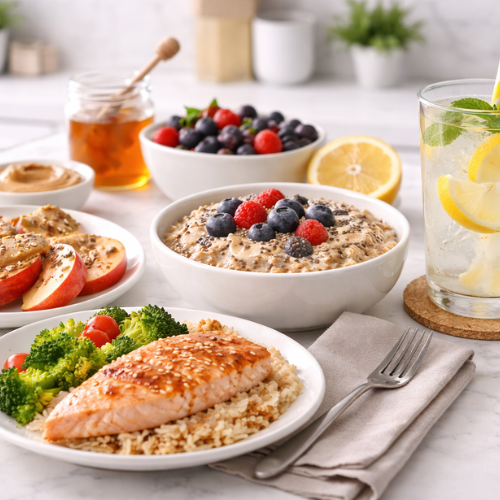
Research shows that blood sugar response depends not only on what we eat, but how meals are structured. When meals are made up mostly of refined carbohydrates (white bread/pasta/rice, cookies, sugary breakfast cereals, etc.), blood sugar tends to spike quickly. Pairing carbohydrates with protein and fat slows digestion and helps glucose enter the bloodstream more gradually, supporting steadier energy after meals. Think apples with peanut butter, rice with salmon, and oatmeal with chia seeds.
Meal order also plays a role in blood sugar balance. Research has found that eating protein, fiber-rich foods or vegetables before carbohydrates can reduce blood sugar spikes after meals. Starting meals with vegetables or protein slows carbohydrate absorption and supports a more even energy release, without changing the foods themselves.
In 2026, this trend centers on simple meal-building strategies over restriction. Pairing carbohydrates with protein, fiber, and fats, and paying attention to meal order, helps energy last longer and reduces dramatic highs and lows. These shifts support metabolic health while keeping meals enjoyable and realistic.
5. Food for Mood and Mental Health
Interest in food and mental health continues to grow in 2026 as research highlights how closely the brain and body are connected. I talk about the brain and gut connection all the time so paying more attention to how everyday food choices influence mood, focus and emotional balance is at another area gaining attention. This has helped bring nutrition into conversations about mental well-being in a more meaningful way.
The brain relies on nutrients to produce chemicals that affect mood and stress response. These chemicals help regulate how we feel, think and respond to daily challenges. When meals are balanced and regular, the brain receives steady fuel, which supports clearer thinking and emotional stability.
Research in this field shows that diets rich in whole foods, including fruits, vegetables, lean proteins and healthy fats, are linked with better mental health outcomes. This is because these foods provide nutrients that support brain signaling and reduce inflammation, both of which influence mood.
Blood sugar balance also plays an important role in emotional well-being. Rapid changes in blood sugar can affect the brain’s access to energy, which may show up as irritability, low mood, or mental fatigue. Meals that support steady blood sugar help the brain stay fueled throughout the day, which can make your mood feel more stable.
Regular eating patterns and nutrient-dense foods help support emotional resilience and mental clarity. So, while food alone is not a treatment for mental health conditions, it remains an important part of daily self-care and overall well-being.
6. Functional Drinks and Beverages
Functional drinks are everywhere in 2026. From electrolyte packets to prebiotic sodas, beverages are now marketed as tools for hydration, energy, gut health, and focus. As more people look for easy ways to support their health, drinks have become part of the nutrition conversation rather than just something to sip on the side.
Electrolyte drinks have gained popularity as hydration gets more attention. Electrolytes are minerals that carry an electric charge and help the body function properly. The most common electrolytes include sodium, potassium, magnesium, and calcium. These minerals support fluid balance, muscle movement, nerve signals and heart function. Electrolytes are lost through sweat, illness, and intense activity, which is when replacing them can be helpful.
For most people, daily electrolyte needs are met through food. Fruits, vegetables, dairy, beans, nuts and salted foods naturally provide these important minerals. That said, electrolyte drinks can be useful during long workouts, in hot weather, or when ill. My favorite is a Hydrate & Focus drink.
Prebiotic sodas are another fast-growing trend. These drinks contain added fibers meant to feed beneficial gut bacteria. According to the Cleveland Clinic, prebiotic sodas may support gut health, but they should not replace fiber-rich foods like fruits, vegetables and whole grains. And they contain large amounts of sugar, so they are not necessarily the best option. Plus, some varieties can also cause bloating or digestive discomfort, especially when consumed in large amounts.
Research on functional drinks points to an important takeaway. These beverages can play a supportive role, but they work best alongside a balanced diet. Understanding what electrolytes do, reading labels carefully, and knowing when water and whole foods are enough help drinks support health rather than complicate it.
Wrapping It Up: A Balanced Way to Eat in 2026
Nutrition trends in 2026 share a common theme: they focus on supporting how people actually feel day to day. From feeling full after meals to having steady energy, better digestion, and a more even mood, the goal is not perfection. The goal is to feel good more often.
This year’s trends remind us that food does not need to be complicated to be helpful. Protein supports fullness, fiber keeps digestion running smoothly, balanced meals help energy last and hydration supports both the body and brain. These pieces work together quietly in the background, doing their job without asking for extreme rules or constant tracking.
Of course, new trends will continue to pop up. When you bump into the next “must-try” diet or viral nutrition rule, it helps to pause for a moment. Ask whether it supports balance, includes a variety of foods, and feels realistic for your life. If the answer feels stressful or restrictive, it may be another fad dressed up with a shiny new name.
Eating in a way that supports your body should feel supportive and flexible. And, it should also leave room for enjoyment, because food is meant to be part of life, not a math problem. This is your reminder that sustainable habits tend to stick around much longer than quick fixes, even when the quick fixes are trending hard.
As you move forward, think of nutrition as something you build over time. A balanced plate here, a better snack choice there, and maybe even a functional drink that actually earns its spot. Small choices add up, and your body notices, even if it does not send a thank-you note.
One Last Thought
Nutrition trends can be helpful, but the real magic happens when you figure out what works for you. Your body, schedule, and goals are unique, and the best approach is one that fits into real life without adding stress or pressure.
If you found yourself nodding along while reading this, it may be worth taking a closer look at how these trends show up in your own day-to-day routine. Sometimes a quick conversation is all it takes to connect the dots, ask a few questions, and get clarity on what small changes could make the biggest difference.
If you’re curious about what that might look like, you can always book a discovery call to talk it through. No pressure, no expectations. Just a chance to explore what support could feel like moving forward.
Book a discovery call whenever it feels right, and take the next step toward eating in a way that truly supports you. Contact me to start the process. It’s free and I promise, highly beneficial!!!
